
Revision After Breast Reconstruction
Schedule a Consultation
Dr. Horton



Emily Sespaniak, MSN, FNP-C

Danielle Bautista, MSN, ANP
What is Revision Breast Surgery?
Who is a Good Candidate for Breast Revision?
What Are The Different Types of Breast Revision?
Preparing for Breast Revision Surgery
What Really Happens During Breast Revision Surgery?
Recovery After Breast Revision Surgery
Before and After Breast Revision Results
FAQs About Breast Revision Surgery
Why Choose Dr. Karen Horton for Breast Revision Surgery

At her private Plastic Surgery practice in San Francisco, California, Dr. Karen Horton specializes in breast revision surgery to help patients achieve their ideal results after previous breast surgery. Whether you are dealing with capsular contracture, breast implant rupture, breast asymmetry after cosmetic or reconstructive surgery, or changes in your breast size or appearance over time, Board-Certified Plastic Surgeon Dr. Karen Horton is here to guide you through the process. With over 25 years of specialized experience in complex breast revision and Reconstructive Microsurgery, Dr. Horton brings international expertise and a patient-first approach to every procedure.
Revision surgery is tailored to address complications such as implant malposition, breast deflation, droop, implant-related deformities or excess skin following an initial procedure. Dr. Horton’s goal is to help you feel confident and comfortable with your appearance by aligning your results with your unique aesthetic goals. As a female Plastic Surgeon and a mother herself, Dr. Horton intimately understands how a woman’s feelings about her breasts can influence her self-image and quality of life, making her uniquely positioned to deliver results that feel as natural as they look.
What is Revision Breast Surgery?
Revision breast surgery, also known as revision mammaplasty, encompasses a range of procedures aimed at enhancing or improving the appearance of breasts that have undergone prior surgery. This type of surgery can address aesthetic concerns or physical symptoms such as tightness or
 Trusted Source
What is breast implant revision surgery?
American Society of Plastic Surgeons
Go to Source
discomfort.
Whether performed for cosmetic reasons or as part of post-reconstruction care, revision surgery demands the expertise, precision, and skill of an experienced Board-Certified Plastic Surgeon such as Dr. Horton.
Cosmetic breast revision may include improvement or modification of breast implants, reshaping breasts that have previously had a lift or reduction done, or correction of unsightly breast scars. Revision of previously reconstructed breasts can involve a variety of techniques as determined by your personal goals and the specifics of previous breast reconstruction attempts. Correction of previous breast surgery can also make previously operated-on breasts look and feel more beautiful.
Dr. Horton’s skill and experience in complicated breast reconstruction surgery is directly applied to all types of breast revision, whether reconstructive or cosmetic. Improvement of the appearance of the breasts has psychological benefits for a woman in addition to improvement in quality of life. While there are no absolute guarantees regarding the final outcome of breast revision, Dr. Horton’s goal is to create the most aesthetic outcome with the best possible symmetry and a natural result that is proportional to the rest of the body.
For important information about breast implant safety and FDA requirements, learn about the FDA’s labeling requirement for breast implants to understand what you should know before undergoing revision surgery.


Who is a Good Candidate for Breast Revision?
If you have recently undergone breast augmentation, breast lift, breast reduction, or breast reconstruction surgery and are looking for a correction, a period of at least six months should pass before having a major revision, as swelling and changes in shape can take this long to resolve and for all scars to become mature. However, you may come in for a consultation at any time to learn about your options and to plan for the future.
Ideal candidates for breast implant revision surgery include:
- Women in generally good physical health
- Patient unhappy with the size, shape, symmetry, or overall appearance of their breast implants
- Women experiencing complications such as implant rupture, deflation, or implant malposition
- Patients who are not currently pregnant or breastfeeding
- Non-smokers (nicotine in any form) with realistic expectations for the outcome
- Women seeking to address animation deformity or discomfort from submuscular implants
- Patients interested in converting to more natural implant placement
Trusted Source
Who is a good candidate for breast implant revision?
American Society of Plastic Surgeons
Go to Source
options
Patients must discontinue smoking and nicotine use in any form at least six weeks before surgery to support safe healing and reduce the risk of complications.
A Note on GLP-1 Medications: If you are currently taking a GLP-1 receptor agonist such as semaglutide or tirzepatide, you must stop taking it at least one month before your tummy tuck surgery. These medications affect gastric motility and anesthesia safety and can negatively influence wound healing after surgery; you will be educated more about these risks and be provided with specific guidance during your consultation. Learn more here.
What Are The Different Types of Breast Revision?
Patients often choose to undergo breast implant revision surgery to address concerns such as implant rupture, asymmetry, or dissatisfaction with their breast size or shape after their initial breast augmentation surgery. Revision surgery of the breast aims to correct complications, improve symmetry, and align results with each patient’s aesthetic
Trusted Source
Revision Breast Augmentation
Seminars in Plastic Surgery
Go to Source
goals.

Removal or Replacement of Breast Implants
Some women with saline breast implants may wish to have them replaced with silicone gel implants to achieve a more natural look and feel. While there is no rule that implants should be changed at a certain time, they are a medical device and may not last forever. Dr. Horton will help you determine whether implant replacement is appropriate and will go over with you in detail the various options for implant types, shapes, and sizes that are most proportional and best suited to your body.
The latest generation of silicone gel implants, including 8th generation more cohesive gel implants, offer improved softness, natural feel, and reduced rippling compared to earlier implant technologies. Dr. Horton stays current with the newest, safest implant options available to ensure you receive the most advanced care.
Capsulectomy to Correct Capsular Contracture around Breast Implants
Capsular contracture occurs when scar tissue tightens around a breast implant, which may develop due to factors like bacterial infection or a hematoma (blood around a breast implant if drains are not used). The current thinking behind what causes most cases of capsular contracture is called the biofilm theory. If bacteria travel to the space around a breast implant, the body responds by forming additional scar tissue as a protective measure to contain the bacteria in one place. This condition can cause the breast to feel firm, alter its shape, or, in severe cases, result in discomfort or noticeable deformity.
To address this, a surgical procedure called capsulectomy is performed to remove the constricting scar tissue and is commonly included in breast implant revision surgery. Dr. Horton may also perform a capsulotomy, which involves opening the capsule, or capsulorrhaphy, which involves tightening the capsule to create better symmetry or improve the appearance and position of previously augmented breasts to one that is more natural and aesthetic. Rarely, mesh is added to reinforce the lower pole of the breast – although this is not usually necessary.
Conversion of Submuscular Implants to a More Natural Location on Top of the Muscle
Breast implants originally placed under the muscle, whether for cosmetic or reconstructive purposes, can be relocated to above the muscle. This adjustment can enhance the breasts’ appearance and help relieve symptoms associated with submuscular implant placement. Many patients experience an animation deformity, where the breast distorts when the pectoralis major muscle contracts during exercise or arm movement, resulting in a wide space between the breasts and a wide and high malposition. This deformity is eliminated by repositioning implants to the subglandular/subfascial plane (on top of the muscle) or prepectoral plane (for breast reconstructions).
There are many advantages of the subglandular breast implant placement compared to the submuscular location. Recently, the term “subfascial” has become popular in the scientific literature – it is essentially the same procedure that Dr. Horton has been offering for over two decades. Conversion of implants to a position on top of the chest muscle creates a more natural look and feel to the breasts. Completely submuscular tissue expanders or permanent implants placed for reconstruction after cancer can be converted to a location on top of the muscle to achieve a more natural look and feel of the reconstruction any time after healing.
In Dr. Horton’s own words,
“A great percentage of my practice involves breast revision… Sometimes I feel like I’m hosting my own reality show, like “Botched-San Francisco”, since I see so many unsatisfactory surgery results after both cosmetic surgery and breast reconstruction. And there is always hope – we can usually make things much better.
Most breast revisions I perform involve replacing muscles to the chest wall and placing new implants on top of the muscle. Results look and feel more natural, the animation deformity is gone, usually all symptoms of pain and tightness vanish, and women are able to resume all upper body activities without any restrictions at 4-6 weeks after surgery.
While the only potential trade-off used to be a slight increase in rippling of the breast implant, with our newer higher-fill and more cohesive silicone gel implants, this is rarely—if ever—a problem now! Learn more about these newest implants in my blog post about the newest, safest, softest and least-likely-to-ripple 7th generation silicone implants.”
This video shows severe deformity of the breast skin and the chest wall resulting from implants being placed under the muscle after mastectomy and breast reconstruction performed elsewhere. Unfortunately, most reconstructive surgeons put implants under the muscle, which creates chronic tension of the muscle, obvious deformity, sometimes pain and forces women to stop doing activities which accentuate this muscle contraction—like exercising or using their arms.
For important information about breast implant safety and FDA requirements, learn about the FDA’s labeling requirement for breast implants to understand what you should know before undergoing revision surgery.
Replacement of the Pectoralis Muscles to the Chest Wall to Correct Animation Deformity and Pain
It is possible to re-attach the pectoralis major muscles back to their native location on the chest wall and to place new implants on top of the muscle, converting the implants from the submuscular plane to the subglandular/subfascial plane (for augmentations) or prepectoral plane (for reconstructions after mastectomy). This type of revision will eliminate the animation deformity that occurs with muscle flexion and usually rids patients of discomfort related to the muscle contracting tightly over the implant.
While the only potential trade-off used to be a slight increase in rippling of the implant, with the newest higher-fill and more cohesive silicone gel implants, this is rarely, if ever, a problem now. The benefits of this approach far outweigh any aesthetic concerns, as patients experience dramatic improvements in comfort, natural appearance, and functional ability.
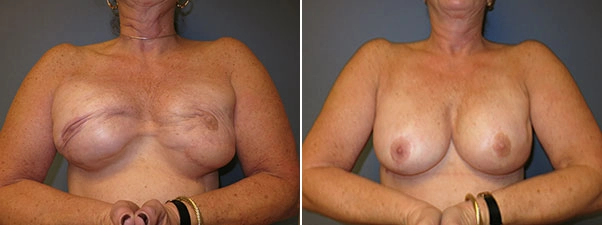
Intraoperative view of a breast revision surgery. This patient experienced pain and deformity from her submuscular implants. The pectoralis major muscle has been returned to the chest wall on the right, and a new implant has been placed in the subglandular position. *
Breast Lift After Previous Augmentation, Lift, or Reduction
Natural droop of the breasts can occur after having children, after major weight loss, or with increased age, resulting in a saggy, droopy appearance to the breasts, and the nipple and areola lying lower on the breast. A breast lift, also called mastopexy, will raise the nipple to a more aesthetic position and reshape the breast tissue using the auto-augmentation technique, where breast tissue is lifted and reshaped internally. Likewise, even women who have had prior breast surgery (augmentation, reduction, or lift) may develop droop to their breasts over time that can be improved by a mastopexy.
Correction of Breast Scars
Scar appearance is largely influenced by genetics, but scars that are stretched, prominent, or unsightly after breast surgery can often be improved through revision procedures. Scar revision may be performed alongside breast revision surgery or as a standalone treatment. Post-surgery scar therapy is recommended to optimize results; instruction about how to optimize scars after surgery will occur at the appropriate time.
Conversion of Implant-Based Reconstructions to Flap Reconstructions
Some breast cancer survivors with unsatisfactory implant reconstructions or with implant-related complications may wish to have conversion of their breast reconstruction to a flap. Microsurgical free flap breast reconstructions have a number of advantages. Dr. Horton’s fellowship training in Reconstructive Microsurgery at The Buncke Clinic, one of the world’s premier Menters, positions her uniquely to perform these complex procedures.
Revision of Previous Flap Reconstructions
Enhancements to previous flap reconstruction may include minor adjustments to create a more natural or symmetrical appearance to the breasts or to refine the flap donor site area. Techniques such as local tissue rearrangement, liposuction, or scar revisions are often used. In some cases, flap augmentation is performed to add projection to the breast reconstruction.
Contouring of the Breasts After Breast Surgery
Breast revision may include lifting sagging breasts that have undergone previous surgery, revising a past breast reduction, or improving scars from earlier procedures. To enhance the overall contour, liposuction can be used to address excess fatty tissue in areas like the underarm or back bra roll regions. Incorporating liposuction into breast revision can help achieve a more balanced appearance while minimizing scar length for an optimal aesthetic outcome.
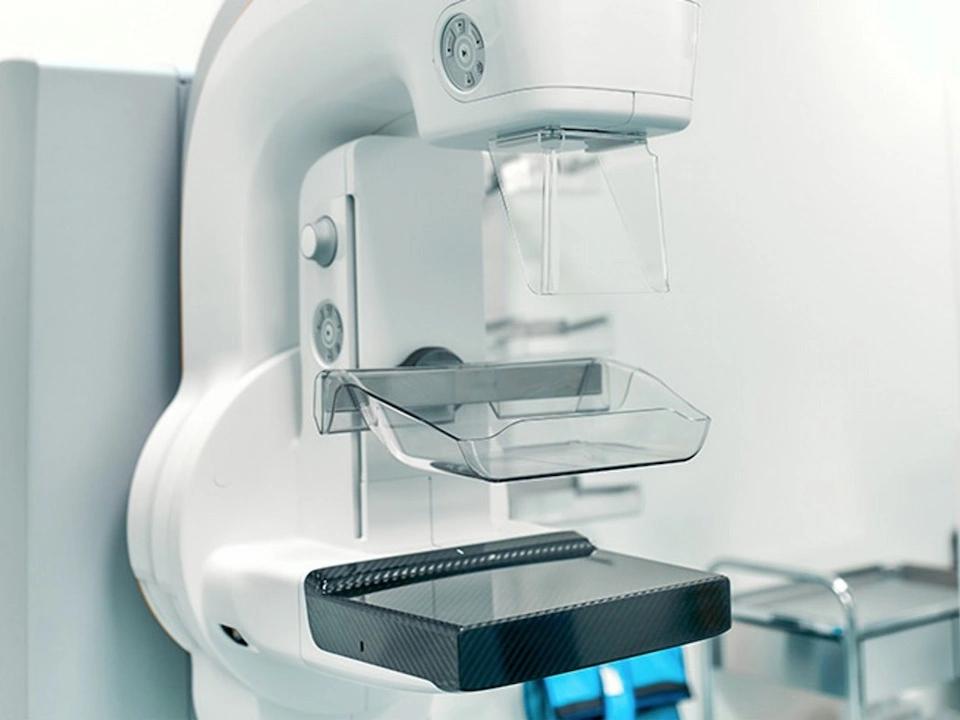
Mammograms with Breast Implants –
Q & A with Dr. Horton
Learn more about mammograms after breast surgery in this blog by Dr. Karen Horton.

Preparing for Breast Revision Surgery
The first step in preparing for breast revision surgery is scheduling your initial consultation with Dr. Karen Horton, Board-Certified Plastic Surgeon. During this appointment, Dr. Horton will get to know you personally and will take a complete medical and surgical history. She will give you a realistic idea of what breast revision can and cannot achieve and will go over all options with you in detail so that you can make the most informed decision.
Dr. Horton will explore your reasons for seeking revision of your breasts, will examine in detail the aspects you would like to correct or improve, and if you are an appropriate candidate for surgery, your options will be described in detail. Once your breast revision is scheduled, you will receive detailed instructions about how to prepare for your surgery day as well as what you can expect during the postoperative recovery process.
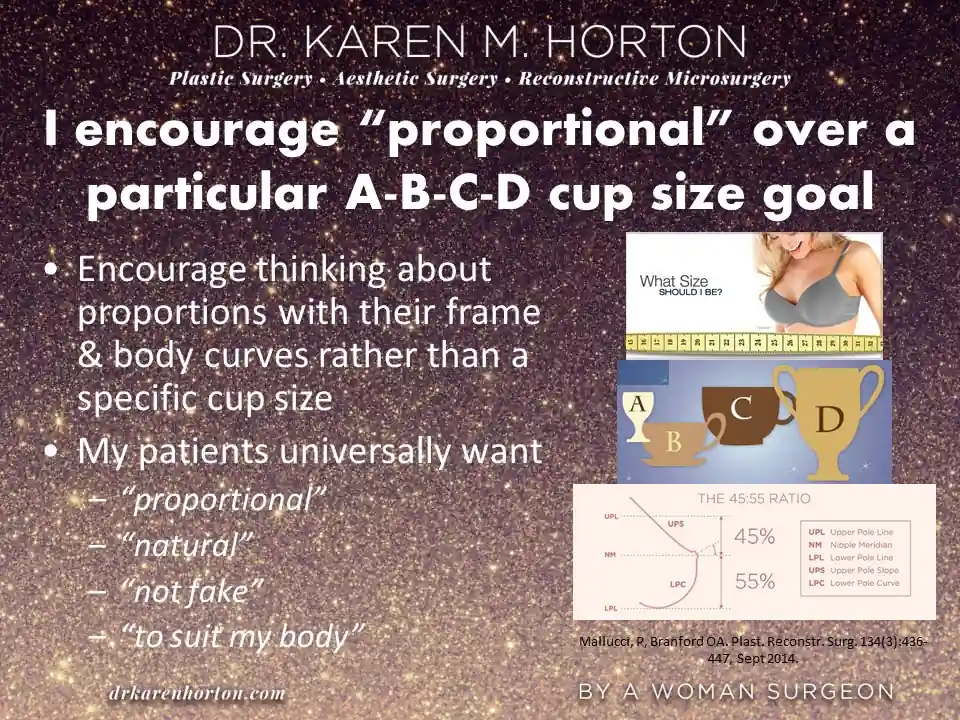
How Do I Select the Right Breast Implants?
Read more about selecting the right breast implants for you in Dr. Hortons blog!
What Really Happens During Breast Revision Surgery?
Breast revision surgery is a personalized procedure designed to address concerns from a previous breast augmentation or reconstructive surgery. The process typically involves the following steps:
Anesthesia Administration: Surgery is performed under general anesthesia to ensure your comfort throughout the procedure. On occasion, breast revision can be offered under local anesthesia with an oral anti-anxiety pill and inhaled laughing gas.
Evaluation and Correction: Dr. Horton will address specific issues such as implant rupture, implant rippling, or capsular contracture. Adjustments to the implant size or replacement of saline implants with silicone gel implants may be performed to enhance the natural look and feel of the breasts.
Pocket Adjustment or Tissue Removal: If necessary, the breast implant pocket may be repositioned to correct asymmetry or improve implant placement. In cases of excess skin, a breast lift might be included to reshape and contour the breasts.
Surgical Drain Placement: Dr. Horton will place surgical drains when indicated to provide an outlet for the fluid that builds up in the pocket created for the breast implant. Patients are encouraged to read Dr. Horton’s comprehensive blog post on surgical drains and watch all of the accompanying videos so that you are well prepared to care for your drains after surgery.
Closure and Recovery Preparation: After achieving your desired result, incisions are closed carefully with several layers of dissolving sutures to minimize scarring. Dr. Horton will ensure the surgical area is optimized for healing and symmetry.
Each surgery is customized to meet your individual aesthetic goals, with careful attention to creating balanced, natural-looking results.
Recovery After Breast Revision Surgery
Recovery from breast revision surgery varies based on the complexity of the procedure and the specifics of your treatment plan. Most patients can expect some swelling, bruising, and mild discomfort during the first week, which can be managed with prescribed medications.
Here’s what you can anticipate during your recovery:
Rest and Activity: You’ll need to rest for the initial few days, avoiding strenuous activities. Light walking is encouraged to promote circulation to the legs. Most patients can resume normal daily activities within one to two weeks, but heavy lifting or intense exercise should be avoided for 4-6 weeks.
Follow-Up Care: Dr. Horton will schedule follow-up visits to monitor your healing progress. Any surgical drains, if used, are typically removed within a few days post-surgery.
Incision and Drain Care: Proper care of your incisions and drains is essential to minimize scarring and optimize healing. Detailed aftercare instructions will be provided to ensure the best outcomes.
The timeline for full recovery and final results can take several months as swelling subsides and your breasts settle into their new shape. Dr. Horton will guide you every step of the way, ensuring you are comfortable and confident throughout the healing process.
Surgical Drains After Breast Augmentation Surgery
Dr. Horton will place surgical drains to provide an outlet for the fluid that builds up in the pocket created for the breast implant to decrease the risk of complications. We urge you to read Dr. Horton’s blog post on surgical drains and watch all of the accompanying videos so that you are well prepared to care for your drains after surgery.
Breast Implant Massage During Breast Revision Recovery
Dr. Horton instructs her breast revision patient to show her breast implant massage and how soft the implants feel. Note the revision of nipple and areolas, including recent tattoo, that creates symmetry to the reconstruction without the need for additional scar revisions.
Before and After Breast Revision Results
Please visit Dr. Horton’s photo gallery to see hundreds of before and after breast revision results from her patients. These images demonstrate the range of improvements possible through revision surgery, from correcting complications to achieving meticulous aesthetic refinement.
FAQs About Breast Revision Surgery
The cost of breast revision surgery can vary depending on the complexity of the procedure, the surgeon’s expertise, and the surgical facility. During your consultation at Dr. Horton’s San Francisco office, you will receive a detailed cost breakdown, including any adjustments for implant size changes or additional procedures like a breast lift.
If you are dissatisfied with the results of your initial breast augmentation surgery or experiencing complications such as implant rupture, deflation, or implant malposition, you may be a good candidate for breast implant revision surgery. Patients should be in good overall health, not currently breastfeeding or using nicotine, and have realistic expectations about the outcomes. A consultation with Dr. Horton will help determine if revision surgery is appropriate for your specific situation.
Common reasons include:
- Desire to change breast size or implant size
- Correcting asymmetry or implant rippling and wrinkling
- Addressing complications like capsular contracture or implant rupture
- Removing implants due to personal preference or health concerns
- Revising results after significant weight changes or aging
- Correcting animation deformity or discomfort from submuscular implants
- Improving scars from earlier procedures
- Achieving a more natural appearance after reconstruction
Yes, many patients choose to combine breast revision with other procedures such as a breast lift, liposuction for body contouring, tummy tuck (abdominoplasty), facelift, neck lift, or fat grafting to achieve comprehensive aesthetic goals. During your consultation, Dr. Horton will discuss which combination procedures may be appropriate for you and how they can be safely performed together.
Dr. Karen Horton offers expert breast revision surgery at her practice in San Francisco, serving patients throughout the Bay Area and beyond. With over 25 years of specialized experience, international Board-Certified credentials, and advanced Fellowship training in Reconstructive Microsurgery, Dr. Horton is uniquely qualified to address even the most complex revision cases. Whether you’re seeking to correct complications, improve aesthetics, or achieve a more natural appearance, Dr. Horton’s patient-first approach ensures you receive personalized care tailored to your specific goals and concerns.
Breast implant illness, or Systemic Symptoms related to Breast Implants (SSBI) is a term used to describe a vague constellation of symptoms that some women report experiencing after breast implant placement. While the scientific evidence regarding BII/SSBI remains evolving, Dr. Horton stays current with the latest research and recommendations from The Aesthetic Society and the American Society of Plastic Surgeons regarding implant safety and patient care related to breast implants. If you have concerns about BII or wish to have your breast implants removed, Dr. Horton can discuss all available options during your consultation.
Learn more about Breast Implant Illness (BII) treatment & the latest recommendations from The Aesthetic Society on Dr. Horton’s blog.

Why Choose Dr. Karen Horton for Breast Revision Surgery
Dr. Karen Horton is an internationally Board-Certified Plastic Surgeon with dual certifications from the American Board of Plastic Surgery and the Royal College of Surgeons of Canada. With over 25 years of specialized experience in breast surgery and reconstructive procedures, Dr. Horton brings unparalleled expertise and personal aesthetics to every revision case.
Her training includes a fellowship in Reconstructive microsurgery at The Buncke Clinic, one of the world’s premier Microsurgery centers, positioning her uniquely to handle complex breast reconstruction and revision cases. As a female Plastic Surgeon, Dr. Horton intimately understands the psychological and emotional aspects of breast surgery, ensuring that her patients receive not only technically excellent results but also compassionate, personalized care.
Dr. Horton has been recognized with numerous awards, including SFGate’s Best of the Bay Award as Best Cosmetic/Plastic Surgeon, San Francisco County (Best of the Bay Television, 2007-2008) and Woman of the Year in Medicine and Healthcare (The American Biographical Institute, 2010). She maintains active memberships in leading professional organizations, including the American Society of Plastic Surgeons (ASPS) and The Aesthetic Society, and serves as a Mentor to surgical Fellows, Residents, and Medical Students.
Her commitment to staying at the forefront of Plastic Surgery innovation means her patients benefit from the latest techniques, implant technologies, and evidence-based approaches. Whether you’re seeking to correct a complication, improve aesthetics, or achieve a more natural appearance, Dr. Horton’s combination of technical skill, artistic vision, and patient-centered philosophy makes her an ideal choice for breast revision surgery in San Francisco.
Contact Us
Ready to explore your options for breast revision surgery? Schedule a consultation with Dr. Karen Horton to achieve results that align with your unique aesthetic goals. Dr. Horton proudly serves patients from San Francisco, California, and throughout the Bay Area and neighboring states.
Contact Dr. Horton’s office today to book your private consultation and take the first step toward the beautiful, natural-looking results you deserve.