





Anesthesia is one of the most common worries patients bring to a Plastic Surgery consultation. The good news? Anesthesia is safe for most patients who share their full health history, follow their prep instructions, and choose an accredited facility. San Francisco Board-Certified Plastic Surgeon Dr. Karen Horton was recently featured in a new patient article from the American Society of Plastic Surgeons. Here are the highlights, plus what anesthesia looks like at our practice.
What Are the Types of Anesthesia Used in Plastic Surgery?
Anesthesia uses medication to keep you from feeling pain during a procedure. The three main types are:
- General anesthesia: You are fully asleep, with medications given through an IV, as an inhaled gas, or both.
- Twilight sedation: You feel calm and drowsy but still breathe on your own.
- Local anesthesia: Only the treatment area is numbed, and you stay awake and alert.
Your surgeon chooses the type based on your procedure, how long it takes, and your comfort. At our accredited surgery center, Dr. Horton performs surgery either awake under local anesthesia or under general anesthesia with a Board-Certified Anesthesiologist present.
How Do We Keep Non-Surgical Treatments Comfortable?
Most non-surgical treatments only need local numbing. Our Aesthetic Nurse Practitioners, Emily Sespaniak, MSN, FNP-C, and Danielle Bautista, MSN, ANP, use several comfort tools during injectables and other treatments:
- Numbing cream, or occasionally a nerve block for more sensitive areas
- Gentle “distractors,” such as a vibrating tool, finger tapping, or a cool object near the treatment area
- Pro-Nox™, a self-administered blend of laughing gas and oxygen that still lets you drive yourself home afterward
- A breast implant to squeeze, which many patients find surprisingly soothing! We even call them “ESBs” (emotional support boobs) in a fun Instagram post…
What Should You Tell Your Surgeon Before General Anesthesia?
The short answer is everything. Leaving out health details is a leading cause of preventable anesthesia complications. As Dr. Horton shared in the article, “we need to know everything.” That means your medications, supplements, alcohol and cannabis use, sleep, exercise, and other lifestyle habits.
GLP-1 medications deserve special attention. Some patients don’t list them because they aren’t prescribed by their regular doctor, or they feel embarrassed. These medications raise the risk of aspiration and pneumonia under general anesthesia. They can also slow wound healing, which Dr. Horton has started to see in her own patients. GLP-1 medications such as semaglutide and tirzepatide must be stopped a full month before any surgery under general anesthesia. Here’s how to stay safe on weight loss medications.
Before general anesthesia, you may also need to pause:
- Alcohol and recreational drugs
- Anti-inflammatory medications and blood thinners
- Certain supplements, such as vitamin E, fish oil, and ginkgo biloba
- Smoking and nicotine use in any form, at least six weeks before surgery
You’ll also need to follow your fasting instructions closely. Your full checklist is on our preparing for surgery page.
What Does Waking Up From Anesthesia Feel Like?
Not knowing what to expect is often the scariest part. Here’s how our team helps your surgery day feel calmer:
- An oral anti-anxiety medication the night before and the morning of surgery helps you relax. A calmer body also makes IV placement easier.
- You choose a song to play as you enter the operating room.
- Limiting narcotics and carefully timing anesthesia with the anesthesiologist helps reduce nausea and allows a gentler wake-up.
- Our team works to keep you warm during surgery. If you wake up chilly, warm blankets and forced-air heat help in recovery.
“Most patients don’t remember going into the surgery room, going to sleep or even waking up!” says Dr. Horton.
Afterward, expect to feel groggy, tired, and possibly emotional. Anesthesia medications take a full 24 hours to leave your body. A responsible adult must drive you home and stay with you the first night.
Some patients wake up with discomfort, while others mostly feel numb. Nerve blocks or local numbing given during surgery can ease early soreness. Pain medication is often needed at home for a few days.
Who Is Watching Over You During Surgery?
Who manages your care is one of the most important questions you can ask. During general anesthesia, the anesthesiologist tracks your heart rate, blood pressure, breathing, oxygen levels, and temperature. “Monitoring the ‘ABCs’ (airway, breathing and circulation) is key to ensuring patient safety,” says Dr. Horton. Accredited operating rooms also keep emergency medications, advanced airway equipment, and backup power ready.
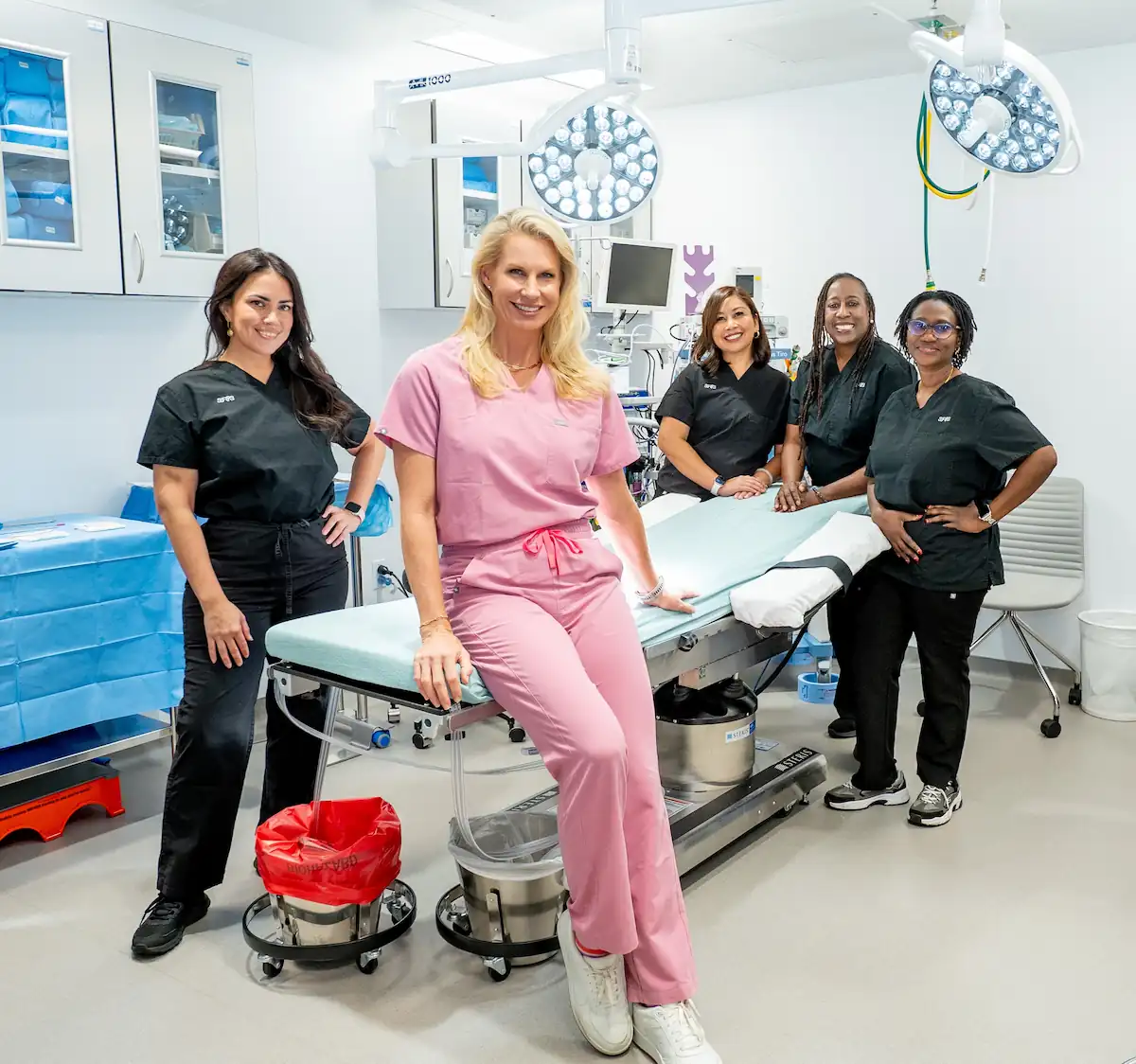
At our practice, every member of the surgical team stays focused on your safety, from nurses to the scrub technician. Our anesthesia director also offers an optional call before surgery. She can answer your questions, walk you through the process, and confirm any needed tests are ordered and reviewed.
Never hesitate to ask about your anesthesia provider’s training and credentials. This matters even more for sedation in an office setting.
Ready to Talk Through Your Surgery Questions?
Education comes first at Dr. Karen Horton’s San Francisco practice. During your consultation, Dr. Horton will walk you through your procedure, your anesthesia plan, and each step of preparation and recovery. Patients across the Bay Area trust our all-women team for individualized, safety-first care. Schedule a Consultation to start your journey with confidence.