BOTOX & Dysport
Schedule a Consultation
Dr. Horton



Emily Sespaniak, MSN, FNP-C

Danielle Bautista, MSN, ANP
Understanding BOTOX Cosmetic & Dysport
Key Differences Between BOTOX and Dysport
Treatment Areas and Applications
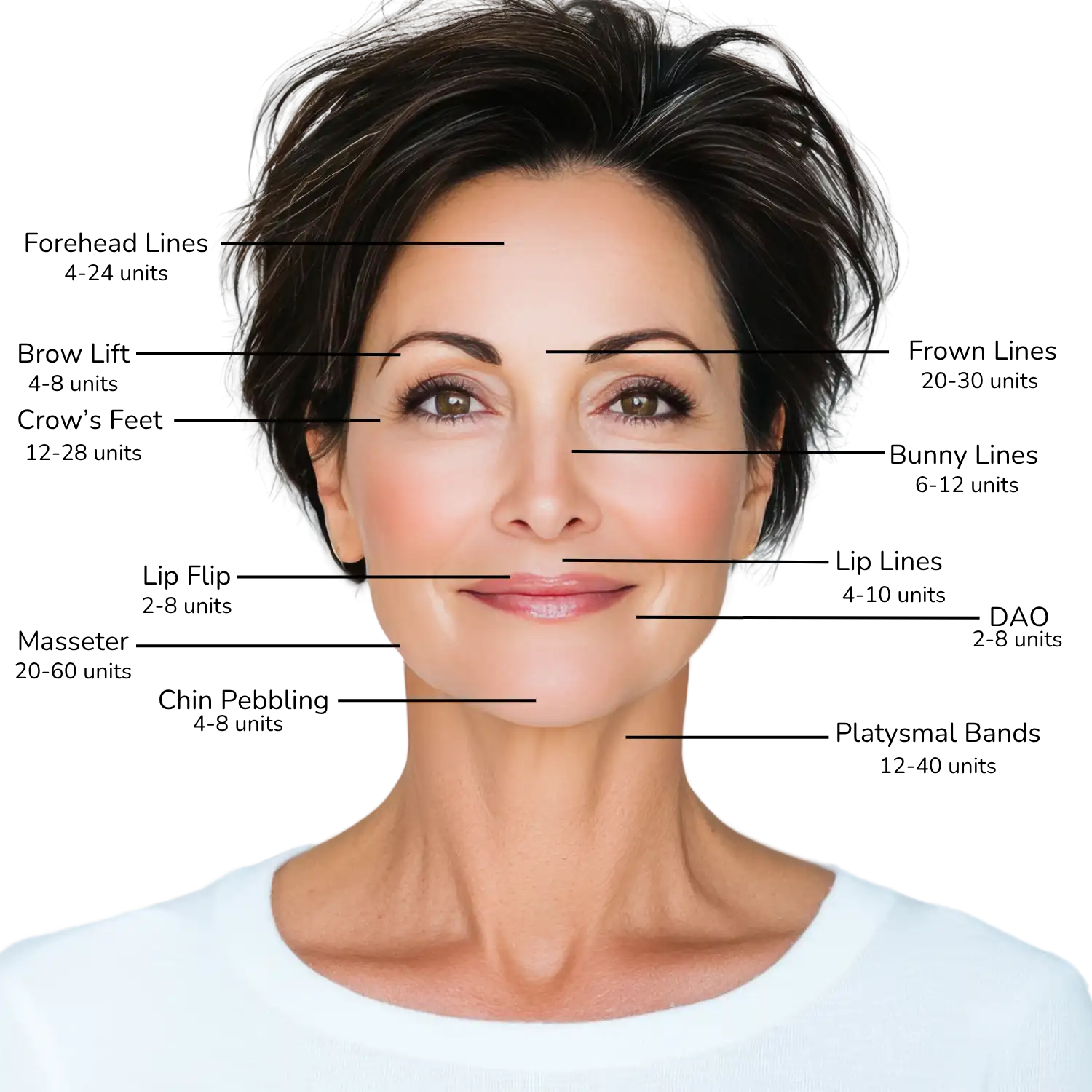
How Much Botox Do I Need?
The Treatment Experience
Safety Profile and Side Effects
Combination Treatments
Choosing the Right Provider
FAQs About BOTOX & Dysport

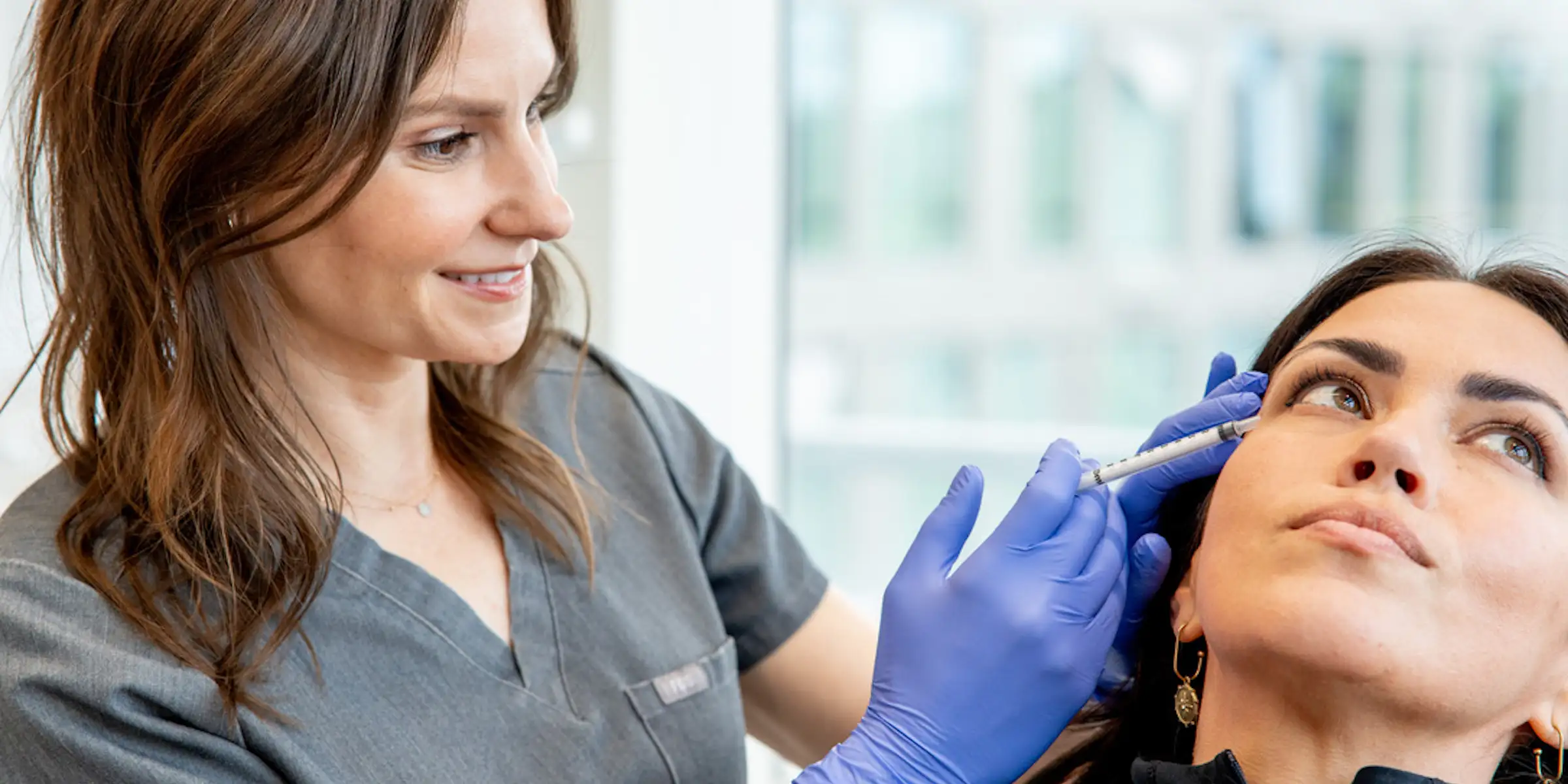
When seeking the most effective non-surgical solutions for facial rejuvenation in San Francisco, BOTOX® and Dysport® represent the gold standard in neuromodulator treatments. At Dr. Karen Horton’s San Francisco Plastic Surgery practice, injectable wrinkle relaxer treatments are performed by Board-Certified Nurse Practitioners Emily Sespaniak, MSN, NP-C and Danielle Bautista, MSN, ANP, who bring advanced training, precision, and artistry to every treatment. Their approach focuses on achieving natural-looking results that enhance your unique facial features while preserving expression.
Located in the vibrant San Francisco Bay Area, the practice is a trusted destination for patients seeking sophisticated, non-surgical facial rejuvenation. Our Nurse Practitioners combine a deep understanding of facial anatomy with meticulous injection technique to tailor each BOTOX and Dysport treatment to a patient’s individual goals. Both providers are known for their thoughtful, conservative approach and commitment to patient education, comfort, and safety.
Understanding BOTOX & Dysport: FDA-Approved Neuromodulators
Both BOTOX and Dysport are FDA-approved injectable treatments derived from botulinum toxin type A, a purified protein that temporarily relaxes targeted facial muscles responsible for dynamic wrinkles. According to the American Society of Plastic Surgeons, BOTOX remains the most popular non-surgical cosmetic procedure in the United States, with almost 10 million treatments performed
 Trusted Source
2024 Plastic Surgery Statistics Report
American Society of Plastic Surgeons
Go to Source
annually.
Trusted Source
2024 Plastic Surgery Statistics Report
American Society of Plastic Surgeons
Go to Source
annually.
These neuromodulators work by blocking nerve signals to specific facial muscles, preventing the repetitive contractions that create fine lines and wrinkles over
Trusted Source
How Does Botulinum Toxin (BOTOX) Work?
American Academy of Ophthalmology
Go to Source
time.
The result is a smoother, more youthful appearance while maintaining natural facial expressions and movement.

Key Differences Between BOTOX and Dysport
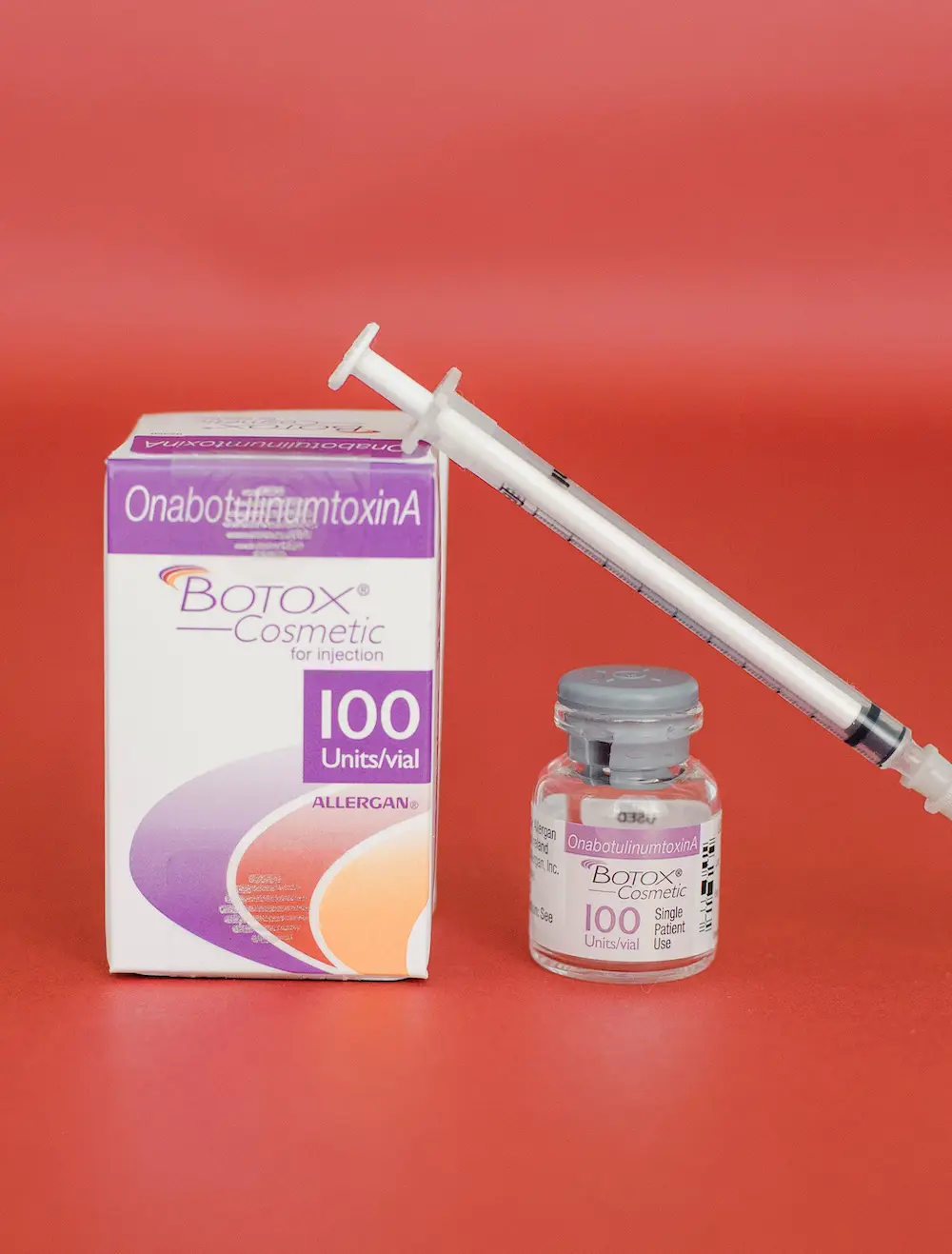
While both treatments utilize botulinum toxin type A, they differ in their molecular structure and diffusion patterns:
BOTOX: More concentrated formulation with precise targeting capabilities
Dysport: Broader diffusion pattern, ideal for treating larger areas like the forehead
Onset: Dysport may show results 2-3 days earlier than BOTOX
Duration: Both typically last 3-4 months, though individual results may vary
Treatment Areas and Applications
Primary Treatment Areas
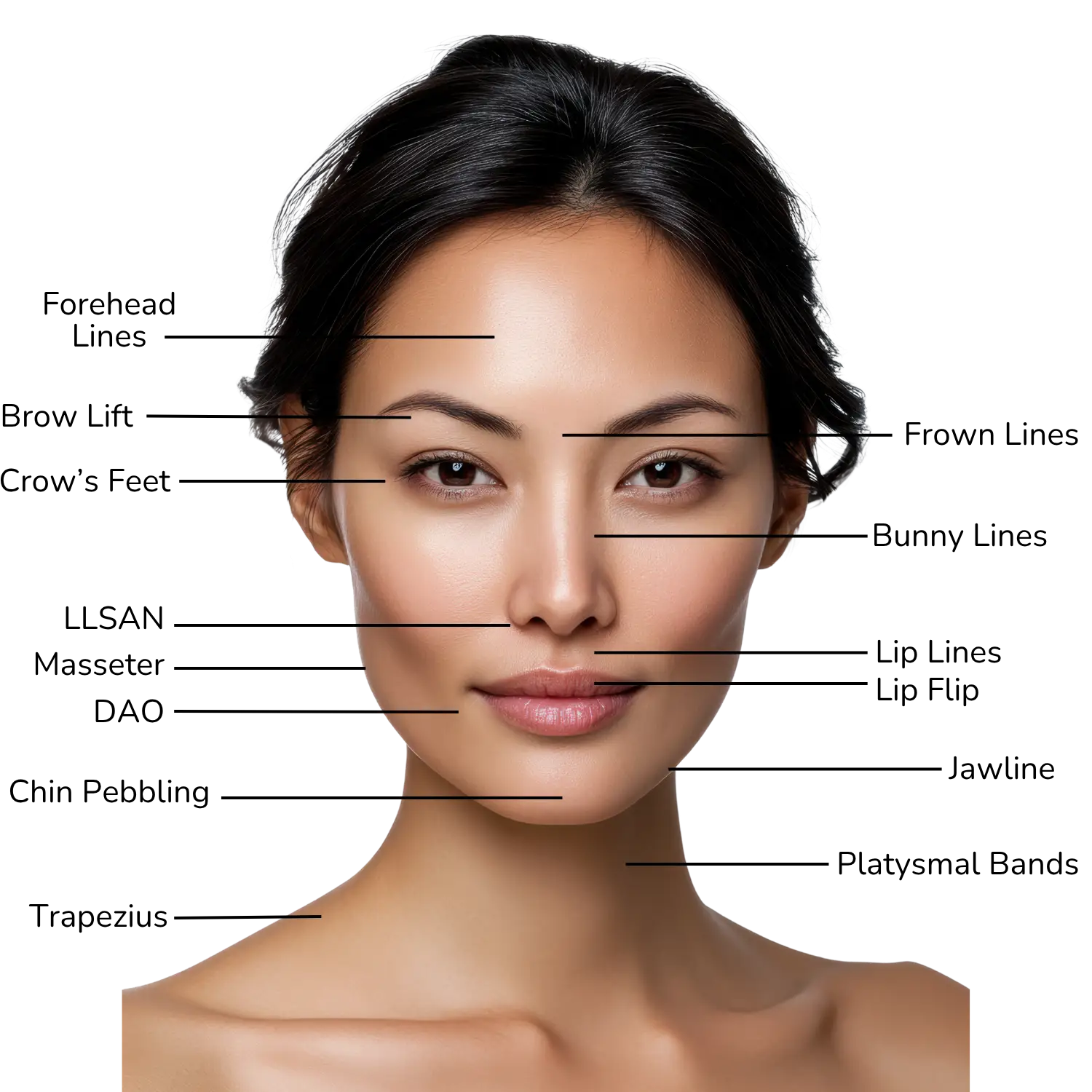
Forehead Lines: Horizontal lines across the forehead caused by raising the eyebrows are effectively smoothed with strategic neuromodulator placement.
Frown Lines: The vertical lines between the eyebrows, also known as glabellar lines, respond exceptionally well to both BOTOX and Dysport treatments.
Crow’s Feet: Fine lines radiating from the outer corners of the eyes are softened while preserving natural smile expressions.
Additional & Advanced Treatment Areas
In addition to classic wrinkle treatment, BOTOX and Dysport may be used in several advanced applications when performed by experienced injectors with a deep understanding of facial anatomy:
Brow Lift Effect: Strategic injection patterns can create a subtle lifting effect, helping alleviate heavy brows and lids and providing a more rested
Trusted Source
Lifting With Neuromodulators
Dermatologic Surgery
Go to Source
appearance.
opening the eye area without surgery.
Bunny Lines: Fine lines that appear on the nose when smiling can be addressed with precise neuromodulator placement.
LLSAN for Gummy Smile: A few units in this muscle can reduce gum show by lowering the upper lip. This can also be combined with a lip flip.
Lip Lines: Vertical upper lip lines (also known as “smokers’ lines” or “barcode lines”) around the mouth benefit from careful treatment that maintains natural lip movement.
Lip Flip for Gummy Smile: A few units placed above the upper lip can relax muscle pull, reducing gum show and enhancing balance in the smile.
DAO (Corners of the Mouth): Treating the depressor anguli oris (DAO) muscles can reduce downward pull at the corners of the mouth, creating a more relaxed, balanced expression.
Masseter (Jawline Slimming): Neuromodulator treatment of the masseter muscles may help soften a square jawline and can also be beneficial for patients who clench or grind their teeth.
Jawline Contouring: BOTOX and Dysport injections into the
Trusted Source
Evaluation of the Efficacy of Low-Dose Botulinum Toxin Injection Into the Masseter Muscle for the Treatment of Nocturnal Bruxism: A Randomized Controlled Clinical Trial
Cureus
Go to Source
masseter
muscles can create a more refined jawline while addressing teeth grinding.
Chin pebbling (mentalis): Treatment smooths chin dimpling and texture irregularities, enhancing overall chin contour and balance.
Platysmal Bands (Neck Bands): Vertical neck bands can be softened to create a smoother, more youthful neck
Trusted Source
Improving Neck and Jawline Aesthetics With OnabotulinumtoxinA by Minimizing Platysma Muscle Contraction Effects: Efficacy and Safety Results in a Phase 3 Randomized, Placebo-Controlled Study
Aesthetic Surgery Journal
Go to Source
profile.
Trapezius (Trap Tox): Treatment of the trapezius muscles may help reduce muscle tension while creating a more elongated neckline and shoulder contour.
Excessive Sweating (Hyperhidrosis): Both BOTOX and Dysport are FDA-approved for treating excessive underarm sweating.
Before & After


How Much Botox Do I Need?
The Treatment Experience
Consultation and Customized Treatment Plan
Every patient begins with a comprehensive consultation, during which facial anatomy and aesthetic goals are discussed, followed by the development of a customized treatment plan. This personalized approach ensures optimal results while maintaining your natural expressions. Patients should inform their provider about any previous BOTOX injections and relevant health conditions.
Treatment Process
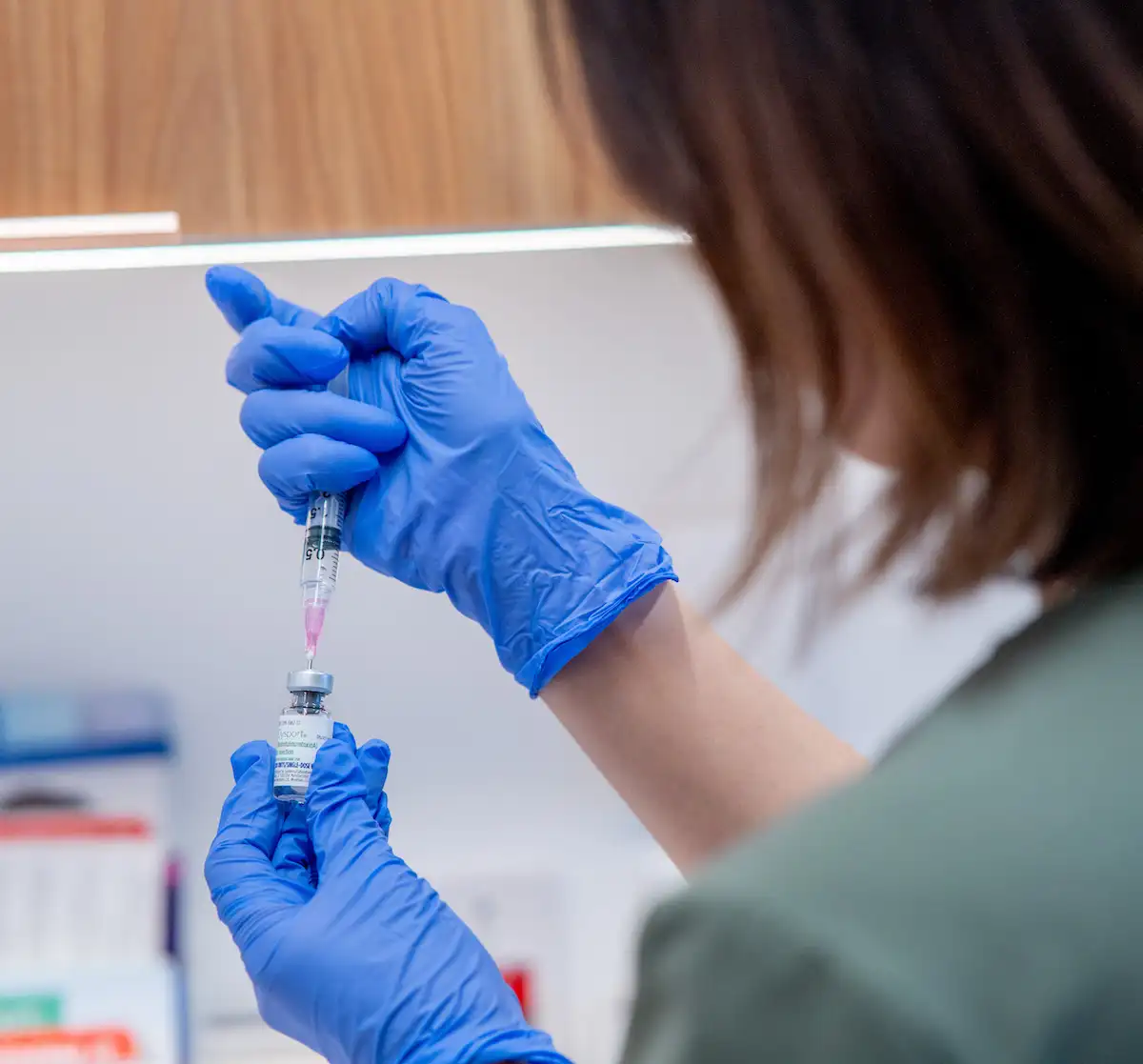
The actual injection process typically takes 15-30 minutes, depending on the number of areas being treated. Using ultra-fine needles, your Nurse Practitioner precisely places the neuromodulator into targeted facial muscles. Most patients describe the sensation as brief, minor pinpricks with minimal discomfort. Cooling packs before the treatment add additional comfort to the experience.
Safety Protocols:
- Sterile technique and single-use needles
- Pre-treatment medical history review
- Comprehensive informed consent process
- Emergency protocols in place
- Post-treatment monitoring and follow-up
Post-Treatment Care and Recovery
One of the significant advantages of neuromodulator treatments is the minimal downtime required. Most patients can return to normal activities immediately following treatment.
Immediate Post-Treatment Guidelines
- Avoid lying flat for 4 hours
- Refrain from vigorous exercise for 24 hours
- Avoid rubbing or massaging treated areas
Safety Profile and Side Effects
Both BOTOX and Dysport have extensive safety profiles backed by decades of clinical use. Serious adverse events are extremely
Trusted Source
Patient Satisfaction with AbobotulinumtoxinA for Aesthetic Use in the Upper Face: A Systematic Literature Review and Post-hoc Analysis of the APPEAL Study
The Journal Of Clinical And Aesthetic Dermatology
Go to Source
rare
when treatments are performed by qualified practitioners.
Common, temporary side effects may include:
- Mild swelling or redness at injection sites (occurs in <5% of patients)
- Temporary bruising (occurs in <10% of patients)
- Headache (rare, <2% of patients)
- Temporary asymmetry (typically resolves within days, <1% of patients)
Serious complications are extremely rare but may include:
- Allergic reactions (<0.1% of patients)
- Unintended muscle weakness
- Difficulty swallowing or breathing (extremely rare)
Our practice maintains comprehensive emergency protocols and is trained in managing any potential complications that may arise.
Combination Treatments
Neuromodulators work synergistically with other non-surgical cosmetic treatments to provide comprehensive facial rejuvenation:
Dermal Fillers
While BOTOX and Dysport address dynamic wrinkles, dermal fillers like Restylane and Juvederm restore volume and smooth static lines.
Laser Treatments
Combining neuromodulators with laser resurfacing like Clear + Brilliant® addresses both muscle-related wrinkles and concerns related to skin texture.
Microneedling
Microneedling treatments complement neuromodulators by stimulating collagen production and improving skin texture, helping enhance overall skin quality while wrinkle relaxers address facial muscle activity.
Facial Rejuvenation Procedures
For patients seeking more comprehensive results, neuromodulators can complement surgical procedures such as facelifts, eyelid lifts, or brow lifts.


Choosing the Right Aesthetic Provider
Choosing an experienced aesthetic injector is essential for achieving safe, natural-looking and lasting results. Treatments are performed by Board-Certified Nurse Practitioners inside a Board-Certified Plastic Surgeon’s practice with advanced aesthetic training, offering several advantages:
- Comprehensive understanding of facial anatomy and the aging process
- Surgical precision and attention to detail
- Ability to address complications – should they arise
- Integration with other aesthetic treatments
- Commitment to natural-looking results
Schedule A Consultation
If you’re in the San Francisco Bay Area and interested in BOTOX or Dysport, our medical professionals can help. Please contact our office to schedule a personalized consultation with one of our Board-Certified Nurse Practitioners.
Frequently Asked Questions About BOTOX
BOTOX and Dysport are wrinkle relaxers that work by temporarily reducing muscle activity, softening facial wrinkles, creases, and facial lines. Both treatments use a purified neurotoxin (botulinum toxin type A) that blocks nerve signals to targeted muscles, preventing repetitive movements that cause lines to form. Over time, this not only smooths existing wrinkles but may also help preserve collagen by reducing stress on the skin, keeping it looking smoother and more youthful.
Dr. Karen Horton’s Plastic Surgery office, conveniently located at 2100 Webster Street, Suite 520 in San Francisco, offers both BOTOX and Dysport treatments performed by Board-Certified Nurse Practitioners. Their expertise and artistic approach ensures natural-looking results that enhance your unique facial features while maintaining your ability to express emotions naturally.
Most patients benefit from treatments every 3 to 4 months to maintain optimal results. However, some individuals may find their results last longer with regular treatments, as the muscles gradually become trained to contract less forcefully. During your consultation, your provider will determine the best treatment plan for your specific needs.
While pricing can vary, both treatments are typically priced per unit, with Dysport generally requiring more units due to its different concentration. During your consultation, we will discuss the most cost-effective approach for your specific treatment goals.
Your first visit will include a comprehensive consultation, during which your Nurse Practitioner will evaluate your facial anatomy and discuss your goals. The actual treatment takes 15-30 minutes, with most patients experiencing only mild discomfort. You’ll receive detailed aftercare instructions and can typically return to normal activities immediately.