




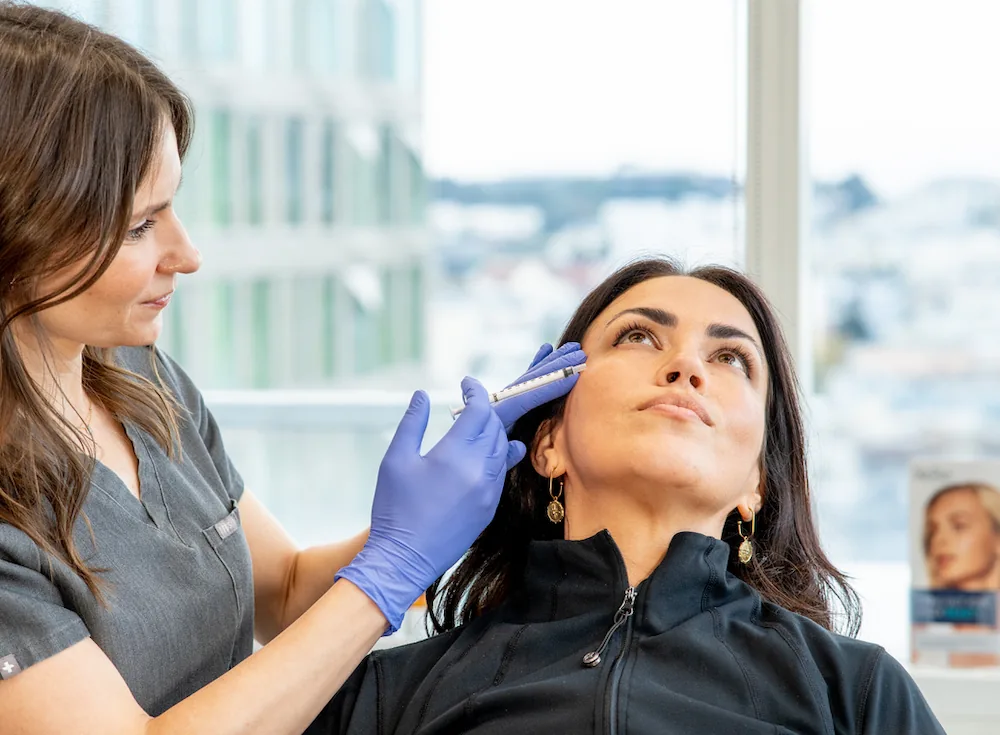
Non-surgical treatments like BOTOX® and dermal fillers can deliver subtle, refined enhancements to your face and neck—but what you do after your appointment plays a meaningful role in how your results settle and how long they last.
At the practice of Dr. Karen Horton, patients are guided through every step of the process, including aftercare. Whether your treatment is performed by a Board-Certified Plastic Surgeon or our experienced Aesthetic Nurse Practitioners, following the right post-treatment guidelines can help minimize side effects/complications and support optimal aesthetic outcomes.
Below, we outline what not to do after BOTOX or filler injections—and why it matters.
1. Don’t Touch, Press, or Massage the Area
It’s normal to feel some mild swelling or tenderness after injections, but resist the urge to touch or massage the treated areas.
Excess pressure can:
- Displace filler before it settles
- Affect how BOTOX distributes in the tissues
- Increase the risk of irritation or uneven results
As noted in guidance from the American Society of Plastic Surgeons, avoiding manipulation of the area is key to preventing complications like product migration.
2. Avoid Intense Exercise for 24 Hours
A strenuous workout right after your appointment might seem harmless, but increased blood flow from exercise can:
- Worsen swelling or bruising
- Potentially affect how injectables settle
Light movement is fine (think walking and not getting your heart rate more than 20 beats per minute above your normal resting heart rate), but it’s best to skip high-intensity workouts until the following day.
3. Skip Alcohol (and Certain Medications)
Alcohol, aspirin, and nonsteroidal anti-inflammatory drugs (NSAIDs) like Motrin, Ibuprofen or Aleve can increase your risk of bruising.
To reduce the chance of visible bruising:
- Avoid alcohol for at least 24 hours before and after treatment
- Follow your Injector’s guidance on medications and supplements
Always disclose what you’re taking before your appointment so we can guide you appropriately.
4. Don’t Expose Your Skin to Excess Heat or Sun
Heat can increase swelling and inflammation after injections. For the first 24 hours, avoid:
- Saunas and steam rooms
- Hot yoga
- Prolonged sun exposure
Keeping the treated area cool helps support a smoother recovery and avoids hyperpigmentation (darker areas) when they are inflamed.
5. Avoid Facials and Other Skin Treatments
It’s best to postpone treatments that involve pressure, heat, or active ingredients, including:
- Facials and massages
- Laser treatments
- Microneedling or microdermabrasion
These can irritate the skin or interfere with how fillers settle.
6. Don’t Apply Harsh Skin Care Products
After injections, your skin may be more sensitive than usual. Avoid products with:
- Retinoids
- Strong acids (like glycolic or salicylic acid)
- Exfoliating agents
Stick to gentle, hydrating skin care until you are given the green light by your Injector to resume your normal skin care routine.
7. Avoid Smoking and Nicotine
Nicotine dramatically constricts blood vessels and may:
- Delay healing
- Increase the risk of complications
- Impact overall skin quality
If you’re investing in aesthetic treatments, avoiding nicotine can help support better outcomes.
8. Don’t Lie Face Down or Put Pressure on the Area
Depending on the treatment area, your provider may recommend:
- Sleeping on your back
- Avoiding pressure on the face for the first night
This is especially important for filler treatments, where pressure can affect product placement.
9. Don’t Panic About Mild Swelling
Swelling is one of the most common and expected side effects after filler injections. Because fillers attract water, temporary fullness or puffiness can occur before results settle.
Most patients:
- Look close to normal within a few days
- See final results develop over 2–3 weeks
If anything feels unusual or concerning, your Injector should always be your first call.
What You Should Do Instead
While this guide focuses on what to avoid, a few simple steps can support recovery:
- Stay well-hydrated
- Use cold compresses as directed
- Follow all personalized aftercare instructions
Most importantly, choose an experienced Injector. At Dr. Horton’s San Francisco Plastic Surgery practice, BOTOX and other neuromodulator treatments are performed with a focus on precision, safety, and natural-looking outcomes—whether by a Board-Certified Plastic Surgeon or a highly trained and experienced Aesthetic Nurse Practitioner.
Final Thoughts
BOTOX and filler treatments are designed to be low-maintenance—but that doesn’t mean aftercare doesn’t matter. Small choices in the first 24–48 hours can influence your comfort, healing, and final results.
If you’re considering injectables or have questions about recovery, working with a qualified and experienced Aesthetic MD, NP or PA Injector helps you navigate both the treatment(s) and what comes after with confidence. Schedule a consultation with a member of our amazing non-surgical aesthetic team in San Francisco.
Frequently Asked Questions
How long should I wait to exercise after BOTOX or fillers?
Most patients can resume exercise the day after BOTOX treatment. If you were treated with dermal fillers, it’s generally recommended to wait at least 48 hours before returning to strenuous activity to help reduce the risk of swelling and bruising.
When can I wear makeup after injections?
Most patients can resume makeup the next day, but it’s important to keep the area clean and avoid applying pressure immediately after treatment.
How long does swelling last after filler injections?
Mild swelling is common and typically improves within a few days, though it can take up to two to three weeks for fillers to fully settle.
Can I sleep normally after BOTOX or fillers?
You may be advised to sleep on your back the first night and avoid putting pressure on treated areas after filler injections. Sleeping with a few extra pillows can help swelling go down faster as well.
What should I do if I notice unusual swelling or discomfort?
Contact your Injector right away if you experience symptoms that feel unusual or worsen over time so they can evaluate and guide you appropriately.