
Compression Bras and Post-Surgical Garments After Breast Surgery: What Patients Should Know
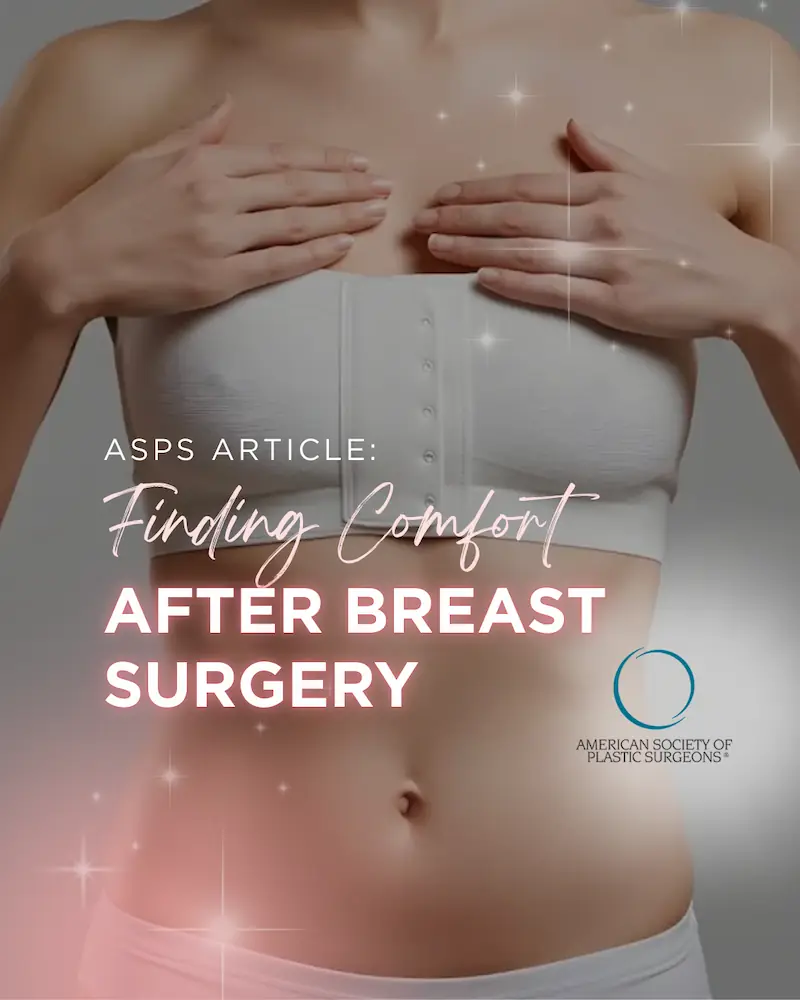
Recovery after breast surgery isn’t always associated with the word “comfortable”—and understandably so. Swelling, soreness, and changes in sensation are a normal part of healing, and the idea of wearing a compression garment or bra immediately after surgery may sound unappealing.
Dr. Karen Horton was recently featured in an educational article published by the American Society of Plastic Surgeons (ASPS) discussing post-surgical compression bras and garments for breast surgery recovery. Her insights emphasize the importance of proper support, comfort, and garment selection throughout the healing process.
In reality, post-surgical garments play an important role in recovery. Understanding why they’re recommended, what they’re designed to do, and how to transition back to regular bras can make the healing process feel more manageable and predictable.
As a Board-Certified Plastic Surgeon in San Francisco, Dr. Horton emphasizes that the right garments are not about restriction—they’re about support, protection, and helping the body heal properly.
Why Compression Garments Are Recommended After Breast Surgery
After procedures such as breast augmentation, breast lift, breast reduction, or reconstruction, patients are typically advised to wear a medical-grade compression garment or post-surgical bra.
These garments are designed to provide gentle, even pressure to the surgical area. Unlike standard bras, they are made specifically for healing tissue and are intended to:
- Reduce swelling
- Limit fluid accumulation
- Support healing tissues
- Help maintain surgical contours
- Improve overall comfort during early recovery
While compression may sound uncomfortable, many patients find that the added support actually helps them feel more secure and less sore during the first phase of healing.
Staying Comfortable as Healing Progresses
As recovery continues, comfort becomes a moving target. Sensation often changes as nerves begin to recover, and patients may experience tenderness or abnormal sensations that make certain garments feel irritating.
According to Dr. Horton, soft, flexible support is often best during this stage.
She notes that wireless bras, soft pull-over styles, or gentle compression layers worn over a tank top are often well tolerated—particularly when the skin is sensitive or nerves are “waking up.” Bras with bands that extend slightly below the breast fold can also feel more comfortable, especially when incisions are located in that area.
Breathable, non-irritating fabrics such as cotton, modal, or bamboo can help reduce skin irritation, while moisture-wicking materials may improve comfort during swelling or temperature changes.
Fit and Design Matter More Than Style Early On
During early recovery, ease of use is just as important as softness. Garments that are difficult to put on or remove can cause unnecessary strain and discomfort.
Many patients find that:
- Front-closure bras are easier to manage
- Wide straps reduce shoulder pressure
- Seamless or flat-seam designs minimize irritation
- Stretchable fabrics adapt better to swelling
At this stage, practicality matters more than appearance—and that’s okay. The goal is healing, not fashion.
When Can You Go Back to Regular Bras?
As swelling decreases and tissues stabilize, many patients look forward to transitioning back to traditional bras.
Dr. Horton advises that soft bras can typically be worn whenever comfort allows, but she cautions against underwire bras too soon.
Underwire bras can place pressure directly over healing incisions—particularly those located in the breast fold—and may interfere with proper healing. For this reason, Dr. Horton generally recommends avoiding underwire bras for at least three months after most breast procedures.
She also suggests waiting several months before being professionally fitted for new bras, as breast size and shape can continue to change during recovery.
Why Old Bras Often Don’t Work After Breast Surgery
Breast surgery is designed to change size, shape, or position—so it’s not surprising that old bras often no longer fit comfortably afterward.
Many patients find that their previous bras feel restrictive, unsupportive, or awkward once healing is complete. Rather than forcing an old fit, this transition can be an opportunity to start fresh with garments that truly support the new results.
Dr. Horton even encourages patients to consider donating gently used bras to local breast health organizations once they’ve moved on.
The Importance of Proper Bra Fit
Even outside of surgery, bra fit is a common issue. Studies suggest that a large percentage of women wear the wrong bra size, which can contribute to shoulder pain, back discomfort, and poor support.
After breast surgery, proper fit becomes even more important. A well-fitting bra should:
- Feel secure without digging in
- Stay in place without riding up
- Support without excessive pressure
- Complement breast shape rather than distort it
Professional bra fitters or reputable specialty retailers can be valuable resources, especially once healing is complete and swelling has resolved.
A Thoughtful Approach to Recovery
Post-surgical garments are a temporary but important part of breast surgery recovery. The right support—at the right time—can help minimize discomfort, protect healing tissues, and support long-term results.
Dr. Karen Horton takes a personalized approach to recovery guidance, ensuring each patient understands not just what to wear after surgery, but why it matters.
If you’re considering breast surgery or have questions about recovery expectations, a consultation with a Board-Certified Plastic Surgeon can help you feel informed and prepared every step of the way.