
Why Hyaluronic Acid Fillers Are Still on the Rise—and What’s Shaping Their Future
Hyaluronic acid (HA) dermal fillers have become a cornerstone of modern aesthetic medicine—and their popularity shows no signs of slowing. Once considered a niche cosmetic option, injectable fillers are now widely embraced by patients seeking subtle, non-surgical ways to restore volume, soften lines, and maintain facial balance over time.
Behind this continued growth is a mix of evolving patient preferences, advances in injectable technology, and a broader cultural shift toward preventative and personalized aesthetics. At the same time, important factors—from cost considerations to provider expertise—continue to shape how and where these treatments are performed.
Here’s a closer look at what’s driving the ongoing demand for HA fillers—and what’s influencing the pace of their evolution.
The Shift Toward Non-Surgical Aesthetic Solutions
One of the strongest forces behind the rise of HA fillers is the growing preference for non-surgical procedures. Today’s patients are increasingly interested in treatments that fit into their busy lives—options that offer visible improvement without extended downtime or major disruption.
Hyaluronic acid fillers appeal to a wide range of patients because they are:
- Minimally invasive
- Performed in an outpatient setting
- Associated with relatively little downtime
- Designed to deliver natural-looking, adjustable results
For many individuals, fillers offer a way to refresh their appearance gradually rather than committing to surgery early on. This shift has also helped normalize aesthetic treatments, making them more accessible and less intimidating than they once seemed.
Innovation in Filler Technology and Injection Techniques
Modern HA fillers are not the same products they were a decade ago. Advances in formulation and delivery have significantly improved both patient experience and outcomes.
Today’s fillers are engineered with sophisticated cross-linking technologies that influence how the product integrates with tissue, how long results last, and how naturally the filler moves with facial expressions. In parallel, injection techniques have become more refined, allowing for greater precision and customization.
These innovations give experienced injectors the ability to tailor treatment based on facial anatomy, skin quality, and aesthetic goals—rather than applying a one-size-fits-all approach.
An Aging Population—and a Preventative Mindset
As the population ages, interest in treatments that address volume loss and structural changes continues to grow. However, fillers are no longer reserved solely for older patients.
Many individuals in their 30s and 40s are turning to HA fillers as part of a preventative strategy—using subtle volume support to help maintain facial contours and slow visible signs of aging over time. This proactive approach reflects a broader shift in aesthetics: focusing on preservation and balance rather than dramatic change.
What Can Slow the Momentum?
While HA fillers remain highly popular, several factors influence how widely and responsibly they’re adopted.
Cost and Maintenance
Because fillers are elective treatments and not covered by insurance, cost can be a limiting factor for some patients. Additionally, results are temporary and require periodic maintenance, which is an important consideration when planning long-term aesthetic care.
Regulation and Safety Standards
Injectable fillers are medical devices subject to regulatory oversight, and approval processes vary by region. These standards are essential for patient safety, but they can also affect product availability and innovation timelines.
The Importance of Skilled Injection
Perhaps the most critical factor shaping outcomes is injector expertise. HA fillers require a deep understanding of facial anatomy and advanced technique. Inadequate training or experience can increase the risk of complications and compromise results—underscoring the importance of seeking care from a qualified, highly trained provider.
What This Means for Patients
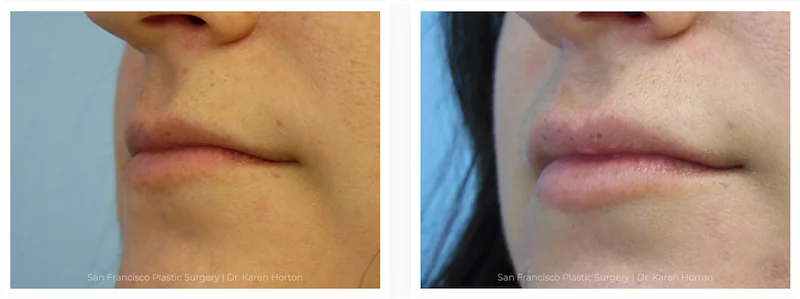
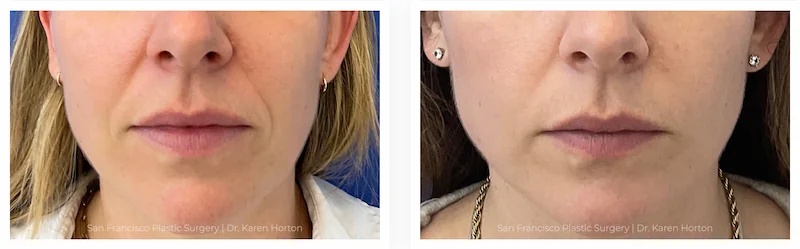
The continued growth of HA fillers reflects more than just a trend—it highlights a broader evolution in how people think about aging, self-care, and aesthetic medicine. With ongoing advancements and a growing emphasis on safety, education, and individualized treatment planning, fillers are likely to remain a key part of facial rejuvenation strategies for years to come.
For patients, the most important takeaway is that results depend not just on the product used, but on the experience, judgment, and artistic eye of the injector.
Considering HA Fillers in San Francisco?
Dr. Karen Horton is a Board-Certified Plastic Surgeon in San Francisco who takes a thoughtful, anatomy-driven approach to facial aesthetics. She trusts her Board-Certified Aesthetic Nurse Practitioner Emily Sespaniak NP to treat patients in her practice with skill, expertise and care. Every treatment plan is personalized, with an emphasis on natural results, balance, and long-term facial harmony. To learn more about hyaluronic acid fillers or to schedule a consultation with Emily or Agnes, contact Dr. Horton’s office today.